Students land from a dozen countries inside one eighteen-hour window, sleep off the jet lag, get the orientation that matters, and fly onward to forty different cities. Duty of care is the product here.
Airport meet-and-greet across a long arrival window, transfer, room check-in, first meal, safety briefing.
Culture shock, host-family expectations, school life, the rules, and the help button. City tour in the afternoon.
Every student gets a private conversation about their own placement, school and worries.
Domestic flights and pickups, each to a different city.
One screen the camp lead lives on for three days. Accounted for, on site now, staff on duty against the target ratio, open issues, and the next departure wave. Everything else hangs off the headcount.
A student who is not where they should be is a screen, not an alert: a running clock, the last known fact, a log of what has already been done, and the deadline for the guardian call.
Every arrival, room check, hand-over and one-to-one is written onto the child’s own record — not into a camp document. They are the headcount, and they outlive the camp.
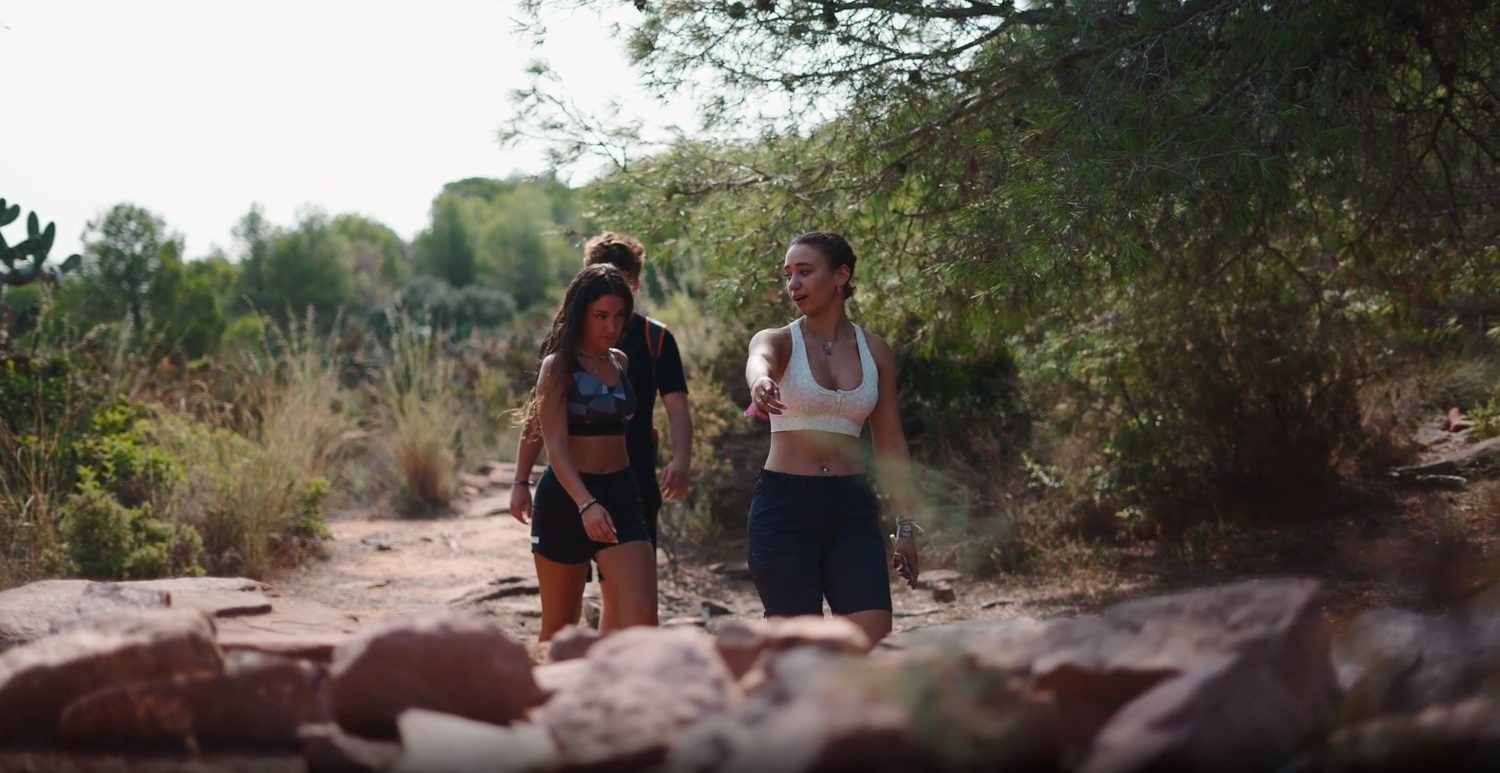
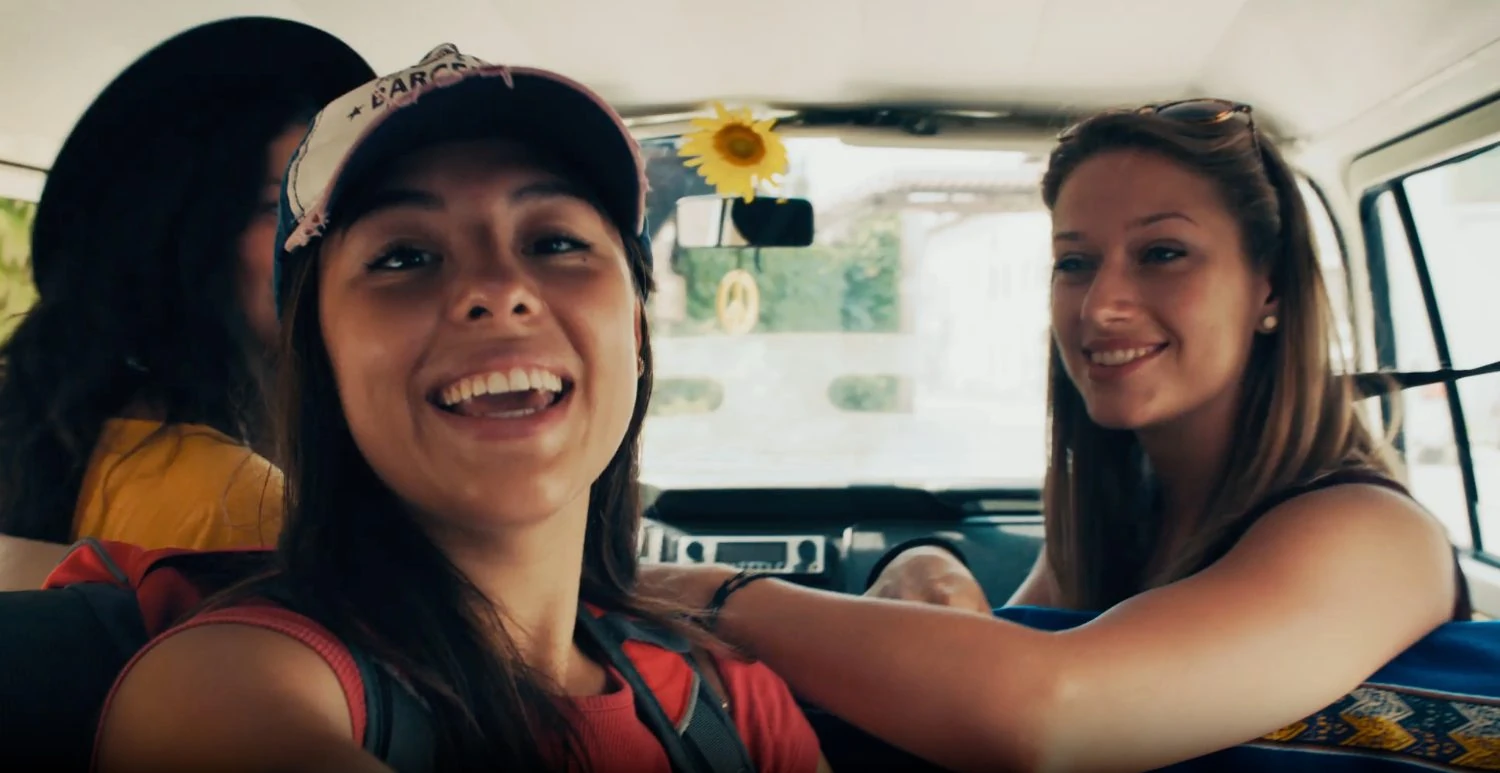
The engine exists so the week can feel like this. Every photo below is a moment the software had to make safe first — a headcount, a ratio, a named adult.
A group cannot be released if it would break 1 : 8 — and the check runs on both sides of the door, the group leaving and the building staying behind. The refusal names the arithmetic rather than greying out a button: “18 students with 2 adults is 1 : 9 — over the limit”, or “the building would be left at 1 : 11”.
Two honesty rules sit over the engine. An unfilled field produces no finding — saying “same nationality” about two unknowns would be a lie with a colour on it. And “apply the rules” lists the swaps first, before a single bed changes; if it cannot improve the floor, it says so.
“Forty minors, a dozen nationalities, three days, one building — and every guardian reachable within a minute.”Why a camp needs its own workspace.
Forty-two students leave for forty-two different places in one morning. Each hand-over is a chain, and every link reports back: van boarded · gate handed over · departed · landed · met by the host family.
A leg with nobody named to collect the student is refused, not warned about. And the dots are a projection of the log on the child’s own record, so the board cannot disagree with the file.
Severe peanut allergy 2 · vegetarian or vegan 9 · halal 4 · daily medication 3. The kitchen sees requirements and counts — never names, never diagnoses.
One message a day at a fixed time, plus an immediate one if anything changes. We never send silence and we never send noise.
Who is landing, when, what she said she is looking forward to and what she is nervous about — before she arrives, not after.
Most programmes make the camp an optional paid extra. So the booking funnel is modelled properly — invited, booked, awaiting guardian consent, declined — and declining is one tap with no follow-up pressure.
The students who decline are added to a local orientation day in their own region in week one. Nobody goes without one.
Camps are available on the relevant full-operation plan, which includes 30 days free. Access does not include camp operations.